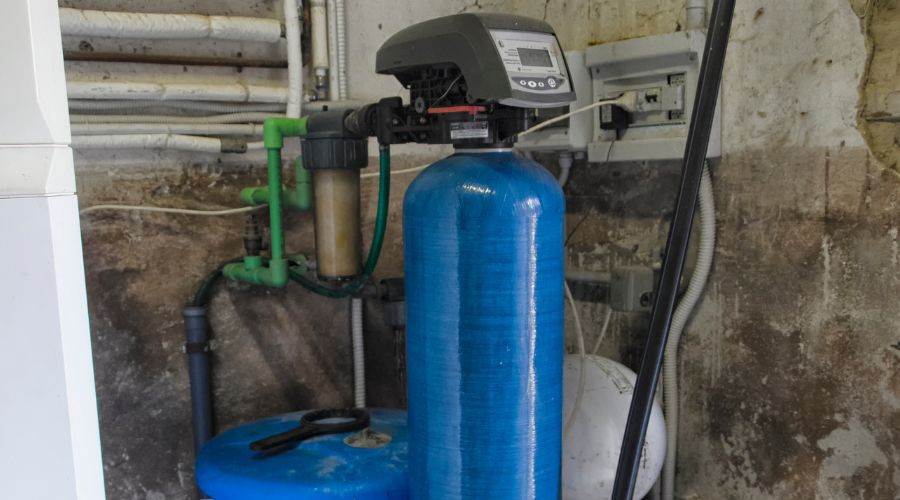

Advantages of a Whole Home Water Softener Installation

Why Soften Hard Water?

Installing a water softener can end a household’s hard water woes and provide several benefits, including for the plumbing and appliances that use water. This blog post will discuss how a water softener installation can transform a home’s water quality and the advantages softened water can provide for a household and its residents.

Protection for the Plumbing and Water Using Appliances

Hard water can wreak havoc on a home’s plumbing over time due to the high concentration of minerals in hard water. However, installing a water softener protects the plumbing and pipes by preventing mineral buildup that can restrict water flow and corrode pipes. The minerals in hard water gradually accumulate inside pipes, creating narrower passages that reduce water pressure throughout a home and can lead to clogs and leaks. So, installing a water softening system can reduce the risk of these plumbing problems, save on repair costs, and help maintain good water pressure.

Household appliances that use water, such as dishwashers, washing machines, and water heaters, can also benefit from a whole-house water softener installation. These appliances can operate more efficiently with softened water because the sediment and mineral buildup from hard water can reduce their efficiency. The scale buildup in appliances forces them to work harder and consume more energy, impacting utility bills. The lifespan of these appliances can also be extended when they operate with softened water. This means a homeowner’s investment in these costly appliances is protected, and less frequent replacements will be needed, saving homeowners money on replacement costs by avoiding early replacements. 

More Effective Cleaning

washer Installing a water softener can also help improve a household’s home cleaning routine by eliminating hard water minerals that cause stubborn residue. When washing glassware, silverware, and dishes in hard water, they often come out of the dishwasher with spots and residue. However, with a water softening system, they will appear cleaner without those frustrating spots and cloudy film after being washed. 

The cleaning benefits of soft water extend beyond the kitchen. Softened water can also dramatically improve laundry results by allowing detergents to work better without being neutralized by hard water minerals. Clothes and laundry can feel noticeably softer, and colors stay vibrant longer with a water softener installation.

Another cleaning advantage of softened water is reducing soap scum and limescale from the minerals in hard water. Homeowners with softened water can spend less time and effort scrubbing bathroom fixtures and surfaces to remove soap scum and limescale and they can save money on cleaning products because cleaning supplies last longer when they’re not fighting against stubborn mineral deposits.

Healthier Skin and Hair

dry hair Installing a water softener can also improve skin and hair health by removing harsh minerals that strip away natural moisture. Hard water contains minerals that combine with soaps and shampoos to form a stubborn residue, leaving the scalp and skin dry and irritated. This residue can also clog pores and exacerbate conditions like eczema and psoriasis, and make hair more brittle and dull.

Soft water, on the other hand, helps maintain the skin’s natural protective barrier and allows moisturizers and skin products to absorb more effectively, allowing skin to stay more hydrated. A water softener system also minimizes the harsh effects of minerals on hair, leading to shinier, healthier hair that is less prone to breakage. The improved hydration and lathering achieved with softened water also means people can use less product while achieving better results, which can save money on expensive skin and hair products.

About Maxwell-White Plumbing

Maxwell-White Plumbing is a family-owned company that has been serving the West Salem community since 1994. They provide straightforward pricing, the latest technology, and fast and thorough solutions. Call them for water softener installation in West Salem, WI.

Distribution Links +

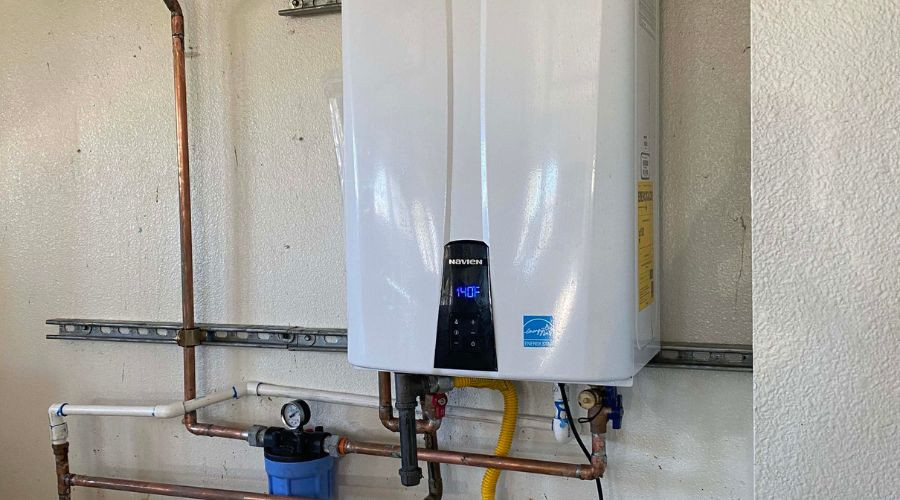
Modern water heater with digital display and copper piping for efficient plumbing solutions by Maxwell-White Plumbing.

The Advantages of a Tankless Water Heater Installation

Why Go Tankless?

When it’s time for a water heater installation or replacement, one option for water heating to consider is a tankless water heater installation. They can help households enjoy rapid hot water on demand while also benefiting from improved energy efficiency and space-saving design. This blog post will discuss the benefits of installing a tankless water heater. 

More Energy Efficient Performance

Hand reaching towards stacks of coins, illustrating financial growth and savings related to energy-efficient tankless water heaters.One benefit of tankless water heaters is their remarkable energy efficiency compared to traditional hot water heaters with a large storage tank. Because tankless water heaters are more energy-efficient, they can reduce energy consumption and save homeowners money on their water-heating costs.

Their improved efficiency stems from their on-demand heating approach, only heating water when it’s needed and eliminating the standby heat loss that plagues traditional storage water heaters. This fundamental difference in operation means tankless water heaters do not waste energy keeping water in a tank hot around the clock, regardless of whether people are currently using hot water or need it.

Endless Hot Water Supply and Space Savings 

Water droplets cascading from a tankless water heater, illustrating the continuous hot water supply and energy efficiency benefits highlighted by Maxwell-White Plumbing.Another compelling benefit of installing a tankless water heater is the continuous hot water supply it can provide for a household. Unlike a conventional storage water heater, which has a limited amount of heated water in a tank that can run out, tankless water heaters heat water directly as it flows through the unit. This on-demand water heating means that people in the household can take showers one after another without worrying about running out of hot water or having cold showers when they’re the last person in line. 

Tankless water heaters also offer space-saving advantages because they heat water on demand and do not require a large storage tank to store hot water. Traditional storage tank water heaters are larger and take up valuable floor space. Tankless units, however, mount directly on the wall and are smaller in size. This compact design, combined with its wall-mounted location, frees up precious storage space in utility rooms, basements, or wherever the water heater is located in a home. 

Longer Life Expectancy

A tankless water heater also has a longer lifespan compared to a traditional storage water heater, allowing homeowners with a tankless water heater to go longer without needing to pay for water heater replacement. While traditional storage tank water heaters typically need replacement after 10-15 years, tankless water heaters can last for over 20 years with proper maintenance.

The longevity of tankless water heaters is partly due to the fact that they don’t have a large tank that stores water. Having to store and heat water in a tank continually can lead to rust and corrosion that requires replacing the storage water heater. Additionally, because tankless units only activate when hot water is needed, they experience less wear and tear. So, although a tankless water heater installation costs more upfront, its improved efficiency and longer lifespan can offset the higher initial installation cost and can lead to savings over its lifespan. 

About Maxwell-White Plumbing

Maxwell-White Plumbing has been serving the West Salem community since 1994. They provide straightforward pricing, a satisfaction guarantee, and prompt, professional technicians. Call them for tankless water heater installation in West Salem, WI.

Distribution Links +

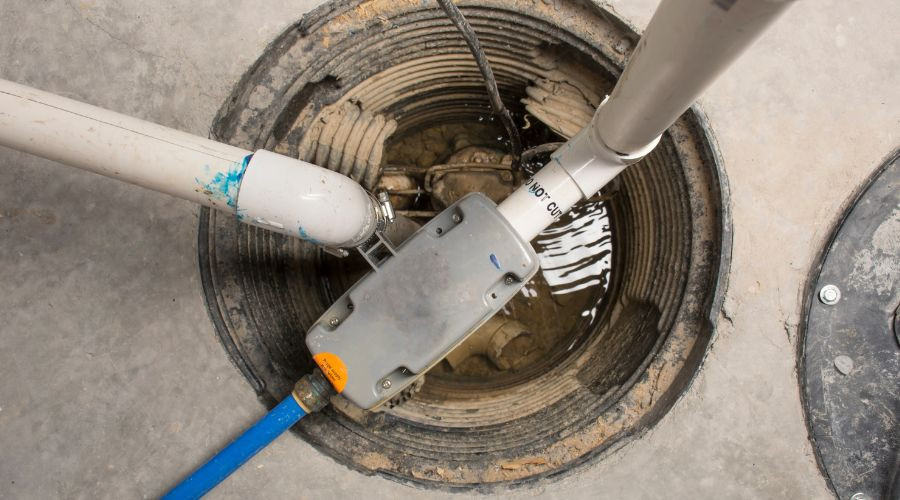
Sump pump system with PVC pipes in a pit, showcasing Maxwell-White Plumbing's water management solutions.

Install a Sump Pump at Home to Protect Against Flooding

What Is a Sump Pump?

Installing a sump pump is like giving a home a safety net against flooding and water damage. Just as an umbrella shields against rain, a sump pump prevents rising water from seeping into basements. Homeowners dealing with persistent basement floods can benefit from this comprehensive guide, which provides practical flood protection strategies and proven water damage prevention tips. A proactive approach acts as a shield, turning potential risks into long-term resilience. Read on to uncover simple yet effective solutions to keep basements dry and homes secure.

Benefits of Sump Pumps

Hand inserting a hundred-dollar bill into a pink piggy bank on a table, symbolizing savings and financial security.A properly installed sump pump is the first defense against basement flooding and water damage. These systems collect excess groundwater in a designated sump basin and automatically pump it away from the foundation before it can seep inside. Activating when water reaches a certain level, sump pumps prevent moisture buildup that can lead to costly structural damage, making them an essential component of basement waterproofing.

During heavy rainfall or rapid snowmelt, rising water tables create hydrostatic pressure that forces water through even the smallest foundation cracks. A well-designed basement drainage system, including a reliable sump pump, helps redirect this water safely away from the home. Homeowners with properly maintained systems experience fewer basement moisture issues and a reduced risk of mold growth, ensuring a drier and healthier living space.

Beyond flood prevention, sump pump installation offers significant financial benefits. Many insurance providers recognize these systems as proactive protection measures, often leading to lower premiums. According to the American Society of Home Inspectors, preventing basement water damage can save homeowners an estimated $5,000 to $10,000 in repair costs. Every dollar invested in prevention can save approximately seven dollars in potential restoration expenses, making a sump pump a smart and cost-effective home improvement.

Primary Types of Sump Pumps

When installing a sump pump for basement flood protection, homeowners must choose between two primary types: submersible and pedestal sump pumps. Each option offers unique advantages for basement waterproofing, with the best choice depending on specific needs, budget, and basement configuration.

Submersible sump pumps are designed to sit fully submerged inside the sump pit. Featuring sealed, waterproof motors, these units operate quietly while preventing electrical shorts. With horsepower ratings typically ranging from 1/3 HP to 1 HP, they excel at quickly moving large volumes of water. However, this increased power comes at a higher cost—submersible pumps are generally 20-30% more expensive than pedestal models and may require professional installation for optimal performance.

Pedestal sump pumps, on the other hand, have motors positioned above the sump basin on a tall stand, keeping electrical components dry. This design allows for easier access and maintenance. While less powerful and noisier than submersible models, pedestal pumps are known for their durability, often lasting 25-30 years compared to the 5-15-year lifespan of submersible pumps. Their affordability and simple installation make them a practical choice for homes that experience occasional water issues rather than severe flooding.

Secondary or Backup Sump Pumps

Submersible sump pumps positioned in a sump pit, showcasing two units with different designs, emphasizing redundancy for basement water protection.Installing a backup sump pump system provides essential redundancy if the primary pump fails during severe flooding. Many homeowners realize too late that relying on a single pump leaves their basements vulnerable to water damage. While the primary sump pump operates continuously during heavy rainfall, unexpected mechanical failures can occur. A battery backup system activates immediately when needed, ensuring continuous protection.

Power outages often accompany major storms and render standard sump pumps useless without electricity. In these situations, battery-powered or water-powered backup pumps prevent basement flooding by continuing to remove excess water. Many backup systems also feature alarm alerts, notifying homeowners of potential issues before significant damage occurs. A failed primary pump during a heavy storm can lead to rapid and costly flooding without a secondary system.

A backup sump pump typically costs $150 to $400, plus installation fees—a small investment compared to the potential expense of water damage repairs. According to the American Society of Home Inspectors, homes with dual pump systems experience 85% fewer basement flooding incidents during severe weather. While a backup pump may initially seem unnecessary, the added protection and peace of mind make it a valuable safeguard for flood-prone properties.

About Maxwell-White Plumbing

Since 1994, Maxwell-White Plumbing has been a trusted provider of high-quality plumbing services in La Crosse County. Built on integrity, professionalism, and a commitment to customer satisfaction, this family-owned business delivers expert solutions with honest, upfront pricing. From water heater repairs to drain cleaning, their skilled team is ready to help. Contact Maxwell-White Plumbing today to schedule a sump pump service in West Salem, WI.

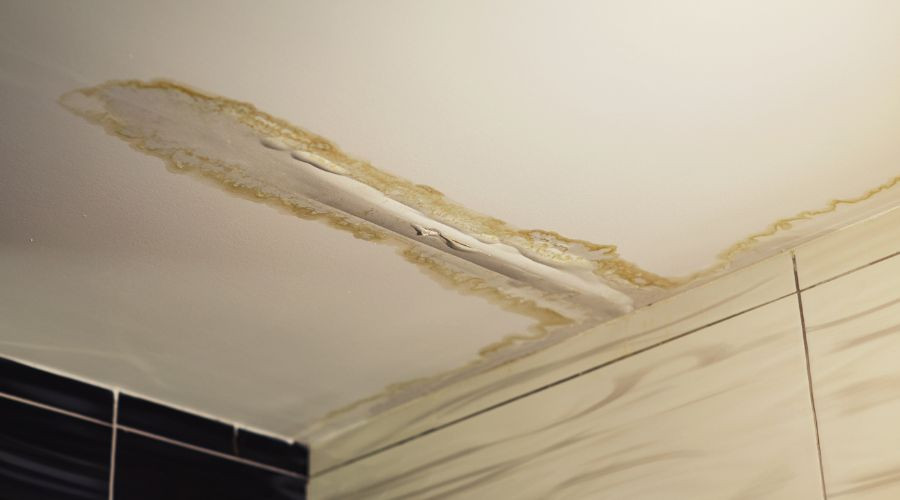
Ceiling with water damage, stains, and cracks, indicating plumbing issues for Maxwell-White Plumbing services.

Ways to Identify Water Leaks in West Salem, WI

Tips to Help Find and Fix Water Leaks

Unchecked water leaks can lead to damage, increased utility bills, and structural issues. Early detection is essential for preserving a property’s integrity and value. Some leaks, like dripping faucets, are apparent, while others may be concealed behind walls or underground, complicating detection. This blog explores how to find leaks and what homeowners can do.

High Water Bills

Man looking concerned while reviewing documents, illustrating the stress of high water bills and potential plumbing issues related to water leaks.While normal fluctuations in usage can occur seasonally, a significant and unexplained spike warrants immediate investigation. Such changes suggest wasted water, potentially from sources like a running toilet or leaky faucet.

Undetected leaks can waste water, increasing bills and potential water damage over time. Leaks behind walls can result in structural damage and mold growth, while underground leaks can cause significant water loss and harm landscaping, often without visible signs.

Promptly fixing leaks is essential. Early detection and repair can reduce water waste, bring utility bills back to normal, and prevent costly damage to the home. Hiring a plumber ensures accurate leak detection and resolution, protecting the property from leak-related issues.

Other Signs of a Leak

Beyond the telltale sign of high water bills, several other indicators can suggest the presence of a water leak within a home. Being vigilant for these signs can help homeowners identify leaks early, preventing extensive damage and costly repairs.

  • Visible Water Stains: Discoloration or stains on walls, ceilings, or floors often signal a leak. These stains may appear as dark patches or yellowish rings, indicating water intrusion behind the surfaces. 
  • Damp or Musty Odors: Persistent musty or damp smells can indicate mold or mildew growth, which thrives in moist environments caused by leaks. These odors might be particularly noticeable in basements, crawl spaces, or closed-in areas where water can accumulate unnoticed.
  • Mold or Mildew: The presence of mold or mildew in areas that should remain dry is a strong indicator of a leak. Mold spots might appear black, green, or white patches and can spread quickly if the underlying moisture issue isn’t addressed.
  • Unexplained Puddles or Water Accumulation: Finding puddles or wet spots on the floor, especially around unused appliances or fixtures, could signal a leak. Even small accumulations of water can indicate bigger issues.
  • Cracked or Bubbling Paint and Wallpaper: When water seeps into walls, it can cause paint and wallpaper to bubble, peel, or crack. These visual changes often indicate that water has infiltrated the surface layer.

Get professional plumbing services for thorough inspections and repairs. They ensure leaks are efficiently dealt with, protecting the home’s structural integrity and maintaining a healthy living environment.

Use the Water Meter

Water meter displaying numerical readings and a leak detection dial, illustrating how homeowners can monitor water usage to identify potential leaks.A water meter can reveal continuous water usage when all water fixtures are turned off, indicating a potential leak. Here’s how homeowners can use their water meter to test for leaks:

  • Locate the Water Meter: The water meter is usually located near the street or in a utility room. Knowing its location is essential for conducting the test.
  • Ensure No Water is Being Used: Before starting, confirm that all appliances are off and no water is being used inside or outside the home. This includes faucets, showers, toilets, and any appliances that use water.
  • Note the Initial Reading: Take note of the current reading on the water meter, including the numerical reading and the position of the meter’s leak detection dial, if applicable.
  • Wait and Observe: Wait for some time—typically about an hour or more. Ensure no water is turned on during this waiting period for an accurate test.
  • Check for Changes: After the waiting period, check the meter again. If the numerical reading has changed or if the leak detection dial has moved, this suggests that water is flowing somewhere in the system, likely due to a leak.

If the water meter test indicates a leak, a professional plumber can identify and resolve the issue, maintaining the plumbing system’s integrity.

About Maxwell-White Plumbing

In business since 1994, Maxwell-White Plumbing strives to help homeowners live in safe and comfortable conditions. They use the latest technology and techniques and offer satisfaction guarantees. Call them for professional water leak repairs in West Salem, WI.

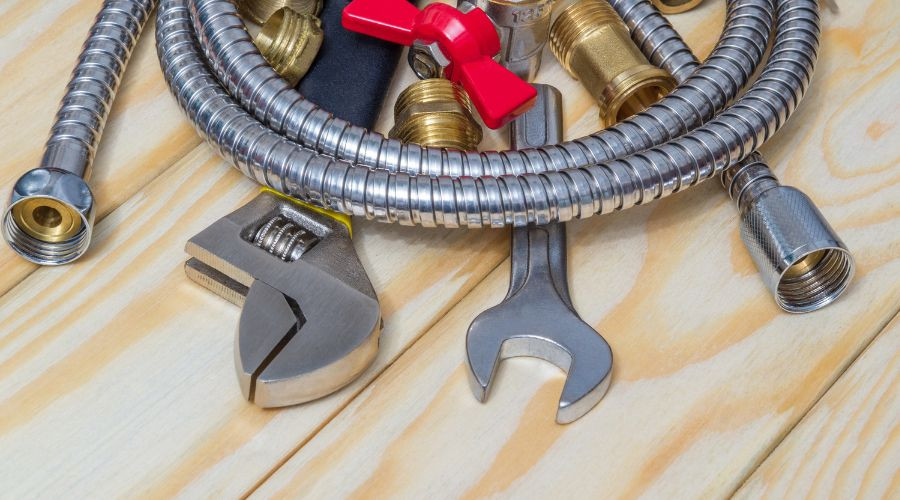
Tools and hoses for plumbing maintenance, featuring wrenches and pipe fittings. Maxwell-White Plumbing prepares for repairs.

Don’t Skip It: Annual Plumbing Maintenance Saves You Money

Should Plumbing Maintenance Be a Top Priority?

Homeownership comes with a long list of responsibilities, from lawn care to HVAC maintenance. However, one critical area that often gets overlooked is the plumbing system. While it may seem like a simple network of pipes and fixtures, your plumbing endures daily wear and tear. Without proper maintenance, minor issues can quickly escalate into major problems.

To keep your plumbing system in good working order, annual inspections are essential. But what exactly does plumbing maintenance involve? In this guide, we’ll explore the basics of plumbing upkeep and highlight the many benefits it offers homeowners.

The Benefits of Regular Plumbing Maintenance

Woman smiling while holding a blue piggy bank, symbolizing savings and financial planning for home maintenance.When you plan home renovations, remodeling, or maintenance, it’s important to avoid unexpected costs that can disrupt your budget. However, homeownership comes with unavoidable expenses, and one area that needs attention is the plumbing system. This complex system of pipes, fixtures, and appliances is vital for everyday activities like showering and washing dishes. Keeping your plumbing in good condition improves your home’s functionality and helps prevent expensive repairs and inconveniences later on.

A well-maintained plumbing system helps prevent significant issues like leaks, clogs, and burst pipes. By addressing small problems early, you can avoid costly emergency repairs and delay the need for premature replacements of fixtures and components.

Plumbing maintenance also saves money in other ways. For example, the average home wastes about 10,000 gallons of water each year due to undetected leaks. This not only drives up water bills but also puts unnecessary strain on natural resources. Regular inspections can identify and fix leaks before they become a financial burden.

Additionally, routine maintenance improves the efficiency of water heaters, reducing energy consumption and lowering utility bills. Keeping your plumbing system in peak condition can also extend the lifespan of pipes, fixtures, and appliances, saving you from frequent replacement costs.

Why Hire a Professional for Plumbing Maintenance?

While homeowners can handle minor tasks like clearing drains with safe solutions such as baking soda and vinegar most plumbing maintenance is best left to trained professionals. Licensed plumbers have the specialized tools and expertise to thoroughly inspect and maintain every aspect of your system.

Here’s a general list of tasks professionals typically perform during a routine maintenance visit:

  • Inspecting pipes for leaks, damage, and corrosion.
  • Checking and adjusting water pressure.
  • Testing water quality for contaminants or hardness.
  • Cleaning faucet aerators to maintain flow.
  • Examining fixtures and valves for potential leaks.
  • Clearing out drains as needed.
  • Inspecting and testing backflow prevention devices.
  • Ensuring the sump pump operates correctly (if applicable).
  • Servicing the water heater.

Professional plumbing maintenance typically requires 1 to 3 hours of focused work each session. To reap the full benefits, it’s generally recommended to schedule this service annually.

When All Else Fails, Check the Water Heater First

Water heater in a utility room, featuring inspection tags, temperature and pressure relief valve, and tools for maintenance.While every component of a plumbing system requires careful attention, the water heater truly deserves special consideration. A failure in this appliance can lead to significant damage to both the system and your home. To avoid such unfortunate events, regular maintenance is essential. Scheduling an annual professional inspection of your water heater can help prevent breakdowns, extend its lifespan, and boost energy efficiency. Here are some important tasks to keep in mind:

  • Inspecting the tank and connecting pipes for leaks.
  • Testing the T&P (temperature & pressure) relief valve.
  • Adjusting the thermostat to optimal settings.
  • Checking and cleaning the pilot light and gas burners.
  • Inspecting the exhaust flue for blockages or leaks.
  • Flushing the tank to remove sediment buildup.
  • Evaluating the anode rod and replacing it if necessary.
  • Inspecting electrical connections and safety features.

Water heater issues often stem from insufficient maintenance, so regular servicing can help you avoid expensive repairs or replacements down the line. Given the reasonable cost of most plumbing maintenance services, it’s one of the smartest investments you can make for your home.

About Maxwell-White Plumbing

Maxwell-White Plumbing has served homeowners in Winston Salem, WI, since 1994. Known for their dedication to quality workmanship and customer satisfaction, they offer competitive pricing, flexible maintenance plans, and 24/7 emergency service. Contact them today to schedule your plumbing maintenance and enjoy peace of mind knowing your home’s plumbing system is in expert hands.

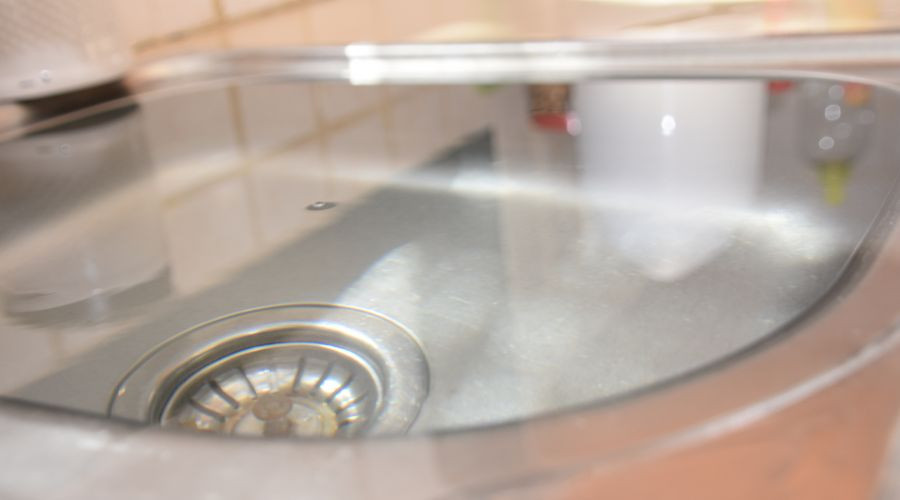
Basin sink with reflective water and drain, surrounding kitchen items, representing Maxwell-White Plumbing services.

What to Do When the Sewer Line Backs Up: A Homeowner’s Guide

What to Do About a Backed-up Sewer Line

A sewer line clog or other issue that leads to a sewer line backup is one of the most unpleasant and disruptive experiences a homeowner might face. Usually, the damage extends well beyond the backup and causes a mess and water damage to the home. Homeowners should take action right away by calling a professional to help resolve the cause and get things cleaned up.

Common Causes of Sewer Line Backups

Damaged sewer pipe with tree roots infiltrating, illustrating common causes of sewer line backups.A homeowner could be dealing with a backed-up sewer line for several different reasons. For example, a sewer line clog that is not handled can eventually become a backed-up sewer line. Knowing the common causes of a sewer line clog can help lead to being proactive and avoiding bigger issues.

These are some of the most common culprits: 

  • Tree roots infiltrating the line.
  • Crushed or broken pipes from aging infrastructure and shifting soil.
  • Sewer line blockage or clog from grease, food, non-flushable items, etc. 
  • Wear and tear from time and aging.

Addressing a Sewer Line Backup

When a backed-up sewer line occurs, various methods might be used to resolve the issue. What it takes to fix the backup might depend on the cause of the backup. These are a few of the most common methods that professional plumbers use: 

  • Hydro Jetting: Hydro jetting forces high-pressure water through the line, cleaning it and clearing any blockages or clogs.
  • Sewer Camera Inspection: This technology is used to inspect the pipe from the inside so the cause can be identified and help plumbers determine the best plan of action. A sewer video inspection is non-invasive and gives real-time data.
  • Trenchless Sewer Repair: Trenchless sewer line repair methods can be used to repair or replace cracked and broken pipes to restore them to full functionality. This can be done without excavation and extensive digging. However, if trenchless methods cannot be used, traditional sewer line repair or replacement can be done.

It is important to remember every situation is unique. Call a professional to determine the best approach. 

Tips to Prevent a Sewer Line Backup

Dirty kitchen sink with food debris and residue, illustrating potential causes of sewer line clogs and backups.While homeowners may not be able to prevent every sewer line clog or backup, they can certainly reduce the possibility with some awareness and proactive care. 

Be familiar with the signs of a sewer line clog, such as slow draining and bad smells, and take early action by calling a plumber for drain cleaning when one is suspected. This will help prevent the clog from leading to a backup. 

Here are some helpful tips to prevent a backed-up sewer line: 

  • Avoid grease, oil, coffee grounds, food, or other items and debris going down the drain
  • Don’t flush anything except toilet paper and human waste down toilets (even flushable wipes shouldn’t be flushed)
  • Avoid planting trees with large root systems near underground plumbing and sewer lines
  • Call a professional early when slow drainage, gurgling, or other signs of a clogged sewer line occur
  • Call a plumber to perform regular plumbing maintenance and inspections 

About Maxwell-White Plumbing

Maxwell-White Plumbing has been providing plumbing services for 30 years. They are known for trusted technicians and straightforward pricing you can depend on. Call them today for sewer line repair and replacement services in West Salem, WI

Water filtration system featuring blue tanks and piping for plumbing solutions by Maxwell-White Plumbing in La Crosse County.

Pure and Simple: The Benefits of a Water Filtration System

Why Every Home Needs a Water Filtration System

While most homeowners have access to relatively clean and safe water, it’s amazing how many impurities and contaminants are considered safe and drinkable. A water filtration system installation helps remove those extra impurities that can be hard on the home’s plumbing systems, appliances, and even things like laundry or showers. 

Using a whole-home water filter is a reliable means to provide pure water in every area of the home. 

How a Whole House Water Filter Works

There are different types of water filter options out there. Of course, we’re all familiar with the pitches and filters for drinking water, but those do nothing to support the rest of the home. There are two primary types of water filter systems to choose from. 

  • Reverse osmosis: uses a semi-permeable material to capture and eliminate impurities such as heavy metals, chlorine, or other harmful additives
  • Carbon filter: captures all of the above as well as volatile organic compounds, improving taste as well

Both types of water filters have benefits and improve the quality of water running through the home. A whole house water filter will ensure that every faucet and water line gets purified water. 

Understanding the Benefits

Woman drinking purified water from a glass, highlighting the benefits of water filtration systems for improved taste and quality.No matter which type of system is chosen, the entire home can experience substantial benefits. Although a water filtration system installation can be costly, the benefits are often well worth it, particularly over time. 

These are some benefits of using systems like these: 

  • Water free of contaminants
  • No hard water effects
  • Removing harmful materials from water
  • Improves the taste of drinking and cooking water
  • Protect plumbing and appliances from scale buildup or corrosion
  • Eliminate ongoing bottled water needs

With purified water to the whole home, everything operates better, appliances last longer, and homeowners can use the faucet water for drinking rather than continue to stock bottled water. 

Recognizing the Need for Water Filtration System Installation

Discolored water flowing from faucet into a sink, indicating potential contamination and the need for a water filtration system.While every home can benefit from a water filter system, there are specific signs that one is needed. These signs are good indicators that the water and home would be much improved by a water filtration system:

  • Unpleasant taste in the water
  • Odors emanating from faucet water
  • Discolored and cloudy water
  • Limescale buildup on appliances or in the tub
  • Frequent plumbing fixture replacement

When signs such as these are present, a whole home water filter will help improve these issues and possibly eliminate them. Work with a professional to determine the best filtration system for the home’s needs. This investment is great for the home as well as the family’s health. 

About Maxwell-White Plumbing

Maxwell-White Plumbing offers a wide variety of plumbing services. Their trusted technicians believe in customer satisfaction and straightforward pricing so there are never any surprises. If you’re interested in a whole home filtration system, contact them today in West Salem, WI. 

Woman carries child in front of a suburban house, highlighting family life relevant to Maxwell-White Plumbing's services.

How to Protect a Home From Gas Line Leaks

Learn to Identify Signs of a Gas Leak

A gas line leak can quickly become a very serious issue, compromising the safety of the home and anyone in it. Identifying gas leak symptoms is one of the best ways to catch a gas leak early and remedy the issue before damage occurs. 

Understanding the Hazards of a Gas Leak

Woman showing signs of distress or discomfort, possibly due to a gas leak, in a home environment.Gas line repair is so important because leaking gas can be very dangerous. It’s so much more than just an inconvenience. The risks pose hazards to health and safety. While gas inside the gas line is relatively harmless, it becomes hazardous when it starts to leak or seep out. 

Common risks associated with a gas line leak include: 

  • Health Risks: Exposure to gas can cause physical gas leak symptoms, including headaches, dizziness, nausea, difficulty breathing, and more. Prolonged exposure can cause carbon monoxide poisoning and could potentially be fatal. 
  • Safety Risks: Safety hazards, including fire or even explosive hazards, are very dangerous when it comes to gas. One small spark could ignite the gas and start a fire or an explosion. 

Knowing the signs will help to protect against these hazards. 

Common Signs of a Gas Leak

Woman in a pink sweater covering her nose, reacting to a foul odor in a home setting, emphasizing the importance of recognizing gas leak signs.The best way homeowners can protect their homes and households is to understand the signs of a leak and immediately act when one is suspected. 

These are common signs to be familiar with:

  • Foul odors (often described as sulfur or like rotten eggs)
  • Hissing sounds or whistling from gas lines and appliances
  • Outside vegetation issues (dead plants or patches of unexplained dead grass)
  • Physical gas leak symptoms

These common signs are major indicators. If any of them are indicative in the home, it’s time to follow the steps for a gas leak to ensure household safety. 

What to Do When a Gas Leak Is Suspected

If a homeowner believes there may be a gas leak, it is crucial to call a professional immediately. Most plumbers can handle gas leaks, but companies typically have a leak hotline for an emergent response. When a gas leak is suspected, the home should be evacuated before further steps are taken. Follow these steps: 

  1. Evacuate the home.
  2. Call the gas company to report the leak.
  3. Call professionals for gas leak repair.

Return home only once the gas line repair is complete and deemed safe for re-entry. These signs are more than just a precautionary measure. If a problem is suspected, danger could be imminent. 

Remove all parties from the home and call the professionals to handle it. They will know how to detect the leak and what steps to take, and they will ensure everyone can safely return to the home without mishap. 

About Maxwell-White Plumbing

Maxwell-White Plumbing has been in the plumbing industry for 30 years. This trusted company has skilled technicians focusing on quality customer service for every call. Contact them today for gas line repairs in West Salem, WI.

Distribution Links +

Hands washing with soap bubbles under a modern faucet, showcasing plumbing hygiene in a clean bathroom sink.

3 Signs the Water Heater Is Broken Beyond Repair

The Colder Months Are Coming

Water heaters supply comforting hot water in a home throughout the year. During Wisconsin winter, staying warm is especially critical for showering. Knowing the warning signs helps homeowners know when to replace their heater before it gets too cold. 

#1 Uneven Temperatures

Many homeowners assume their water heater works as long as it produces hot water. However, if the temperatures fluctuate, this can lead to a more serious problem. There are two main issues with uneven temperatures: the first happens when hot water runs out too quickly, and the second happens when temperatures bounce back and forth from hot to cold.

These problems can stem from improper water heater installation or sediment buildup. If a water heater is too small for a home’s size, it affects the ability to maintain hot water. When sediment buildup occurs, temperatures fluctuate throughout one shower. 

The uneven temperature often comes with inconsistent water pressure. If there is a clogged aerator, replacement may be better than water heating repairs. When a water heater is past its prime, it can be more expensive to fix than replace.

#2 Water Heater Leaks

Water heater leaking water onto concrete floor, indicating potential sediment buildup and need for replacement or repair, relevant to plumbing maintenance and water heater issues.The average storage water heater lasts approximately ten years. If yearly maintenance is neglected, it will decrease lifespan, causing valve issues and water leaks. Furthermore, a replacement may be necessary depending on the type of leak.

If a tank water heater leaks from the bottom, it is usually due to sediment. With the buildup of magnesium and calcium, the water heater must work harder. Over time, cracks form around the edges of the tank. Regardless of where the cracks are located, a damaged tank means homeowners need to replace their water heater as soon as possible.

Sometimes, loose connections cause leaks. When this happens, water escapes from corrosion or rust. The heater can be repaired depending on whether the inlet connections are loose or rusty. Replacing the anode rod may fix the issue if water damage primarily stems from an old tank. 

#3 Old Age

Corroded and rusted water heater tank showing significant damage and leaks, illustrating the effects of age and sediment buildup on plumbing systems.Most water heaters that are over ten years old must be replaced. Even though some heaters can last 15-20 years, frequent repairs add up. 
Annual maintenance involves flushing the hot water tank to remove corrosion from mineral buildup. Although this helps keep the water heater working throughout the year, corrosion is inevitable. 

Rust that has formed inside the tank can discolor tap water. If homeowners spot a reddish-brown hue in their drinking water, they should immediately call a plumber. The same is true if water smells metallic. Toxins in the water are unhealthy for anyone to drink and can cause excess iron in the body. Nausea, diarrhea, and vomiting have all been reported.  

Once heaters reach old age, they tend to make a clunking or popping noise due to hardened sediment. They may crack or form rust. Even tankless water heaters eventually cease to produce consistently warm water.

About Maxwell-White Plumbing

Maxwell-White Plumbing provides water heater repair and replacement services in West Salem, WI. They are known for their straightforward pricing from trusted technicians who can guarantee customer satisfaction. Call and schedule a water heater maintenance today in West Salem, WI!

Kitchen sink with flowing water, stainless steel faucet, and countertop near Maxwell-White Plumbing service offerings.

The Difference Between Unclogging the Pipes and Cleaning the Drains

Drain Cleaning vs. Unclogging the Pipes

Clogs can happen for any number of reasons. Old piping, fallen items, and uncleaned drains all create blockages in the plumbing system. Luckily, drain cleaning can prevent clogs from occurring so that the plumbing system continues to run smoothly.

How to Spot a Clog

Kitchen sink filled with standing water and a sponge, indicating potential plumbing issues and the need for professional drain cleaning services.Clogs stuck inside the pipes cannot be seen without a video inspection camera. Since most homeowners do not own this equipment, there are other warning signs to pay attention to, such as water backups and unusual smells. A clogged sewer line can cause problems in any part of the house where water is found.

Routine drain cleanings help prevent blockages by disintegrating small masses before they grow unmanageable. Typically, this is done by pouring baking soda and boiling water down each shower drain and kitchen sink. Professional drain cleaning is necessary once a clog has become serious.

If there is standing water in the washing machine, this is a good indication that the blockage is too dense for baking soda to remove the mass effectively. This is also true if the bathtub can no longer drain water properly. Regardless of location, slow-moving water can cause health issues inside the home.

Tap water should never have any scent. If strange odors come from the drain, food and sewage are usually to blame. Professional cleaning is crucial for the health of the household.

When Is Drain Snaking Used?

Person using a drain snake to clear a clog from a bathtub drain, with a visible plumbing pipe in the background, illustrating DIY plumbing solutions for blockages.A drain snake is sometimes called a plumbing snake. It is an essential tool used to remove deep clogs. Plumbers lower a long cable with a corkscrew-shaped auger into the drain so that it can break up blockages. Drain snakes do not clean the drains but can remove small to medium-sized clogs.

Drain snakes are typically used in older plumbing systems. This is because harsh cleaning solutions can further damage the piping material. In many cases, household members can successfully use a drain snake, and it does not require a professional. Unfortunately, not all clogs can be cleared using this method.

Kitchen clogs often occur due to grease. While this isn’t a bulky substance, it attracts other bits of food until they form a mass. Plumbing snakes may be able to remove the mass, but they cannot get rid of grease or cooking oil. This is where a drain cleaning comes in handy.

What Is Professional Drain Cleaning?

Instead of using baking soda or organic drain solution, a professional drain cleaning involves specialized equipment. Trained and licensed plumbers know how to operate this equipment safely and effectively to remove grease, debris, and even tree roots from the plumbing system.

Hydro jetting is a technique that uses highly pressurized water to blast through clogs. It is the ultimate way to clear tough debris from hard-to-reach areas in the pipeline. Because this method is so powerful, it must only be used once or twice a year. Annual cleanings will help homeowners save money by reducing the number of plumbing repairs necessary. Hydro jetting is a practical way to prolong the entire plumbing system when done correctly. 

About Maxwell-White Plumbing

Maxwell-White Plumbing repairs clogged sewer lines in West Salem, WI. Their trustworthy technicians always exceed customer satisfaction by using the latest technology in every service while offering flat-rate pricing. To learn more about their quality of work, call them today for drain cleaning services in West Salem, WI.

Page 2 of 5
1 2 3 4 5