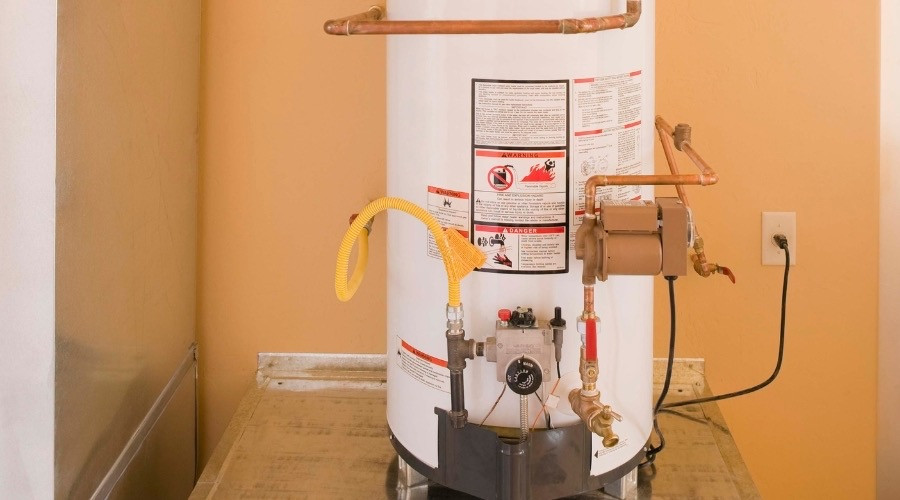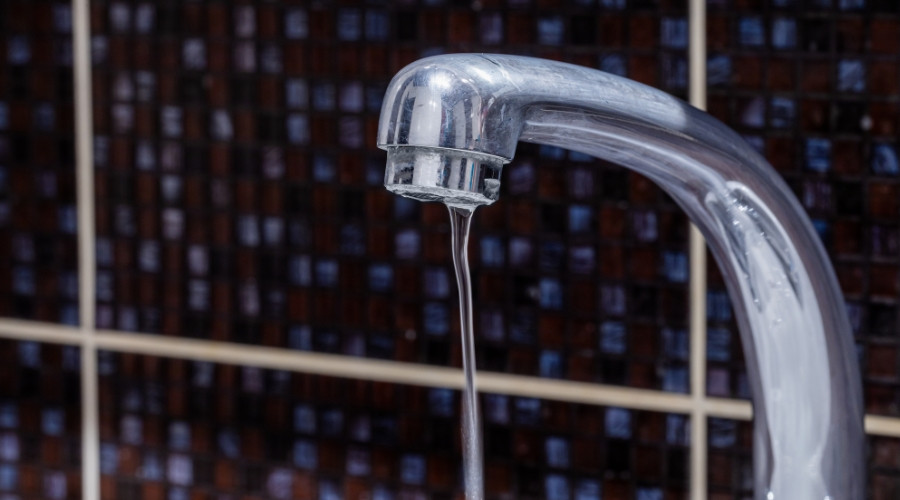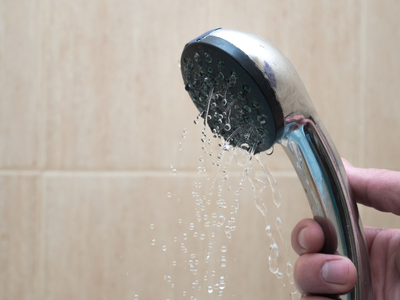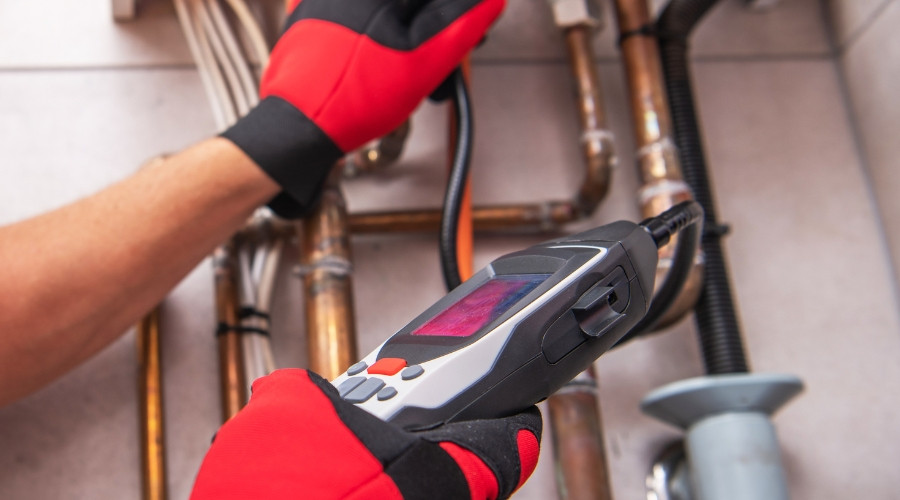

When Is It Time to Repair or Replace a Water Heater?

How to Tell When a Water Heater Needs to Be Repaired or Replaced

A water heater quietly supports showers, dishwashing, and laundry every day, so problems quickly disrupt normal routines. Some issues can be solved with targeted water heater repair, while others signal that the tank is wearing out and that planning for new water heater installation is the better long‑term move. Distinguishing between those paths involves looking at performance, age, leaks, noises, and water quality together. The sections below outline symptoms that often respond well to repair, red flags that suggest a corroded water heater is nearing the end of its life, and the advantages of addressing trouble before a complete failure or major leak occurs.

Signs Water Heater Repair Is Needed

shower Certain problems frequently indicate that the existing unit can still operate reliably with proper repair:

  • Little or no hot water, or hot water that runs out quickly, often points to failed heating elements, thermostat issues, or burner problems.
  • Popping, crackling, or rumbling sounds usually come from sediment on the bottom of the tank and can often be corrected with flushing and inspection.
  • A pilot light that occasionally goes out may be caused by a dirty burner, draft, or faulty thermocouple rather than serious water heater corrosion.
  • Mild discoloration, a faint odor, or a slight change in taste sometimes stems from mineral buildup instead of a damaged tank liner.
  • Small drips at valves or pipe joints can often be resolved by tightening fittings or replacing components, provided the tank shell itself remains intact.

When a licensed plumber confirms that corrosion has not compromised the tank body, focused water heater repair is often a cost‑effective solution.

Signs Water Heater Replacement Is Needed Instead of Repair
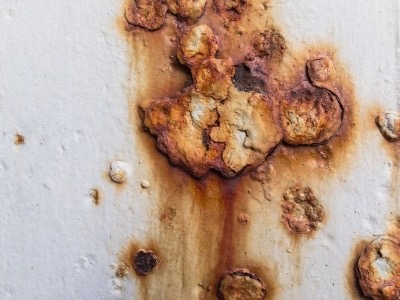
rust Other warning signs suggest that water heater replacement will provide safer and more dependable service:

  • The water heater is nearing or past its typical lifespan and has begun needing frequent repairs.
  • Rust streaks, bubbling paint, or heavy scale appear on the exterior of the tank or around connections.
  • Persistent rusty, dark, or metallic‑smelling hot water returns soon after flushing, indicating internal damage from water heater corrosion.
  • Multiple leaks emerge from different areas of the tank, rather than from a single valve or fitting.
  • Hot water recovery becomes very slow, or temperatures swing widely despite part replacements.

These conditions often point to a truly corroded water heater instead of one with simple sediment buildup. In such cases, arranging new water heater installation before a rupture or major leak occurs helps avoid emergency service and extensive water damage.

Benefits of Timely Repair or Replacement

Dealing with water heating problems promptly offers several important benefits. Early water heater repair can keep small leaks, unusual noises, or intermittent heating from escalating into tank failure, flooding, or costly cleanup. Restoring proper operation also supports better efficiency, which can help stabilize utility bills and reduce wear on internal components.

When a new unit is recommended, timely water heater replacement allows careful sizing and selection of a more efficient model that delivers consistent hot water, faster recovery after heavy use, and fewer unexpected breakdowns. Planning improvements, rather than waiting for a sudden failure, protects comfort, budget, and nearby building materials.

About Maxwell-White Plumbing

Maxwell-White Plumbing is dedicated to providing excellent customer service by offering a wide range of professional plumbing solutions in West Salem and the surrounding areas. They provide flat-rate pricing and a satisfaction guarantee, ensuring high-quality service from reliable technicians. Contact them today for water heater repairs in West Salem, WI.

Distribution Links +

Tracking Down Causes of Low Water Pressure

What Causes Poor Water Pressure?

Strong, steady water flow makes everyday tasks like showering, cooking, and cleaning much easier. When faucets only trickle or showers feel weak, frustration often follows, and the plumbing system may be signaling that something is wrong. Low water pressure can stem from several different issues, ranging from a simple fixture problem to serious trouble hidden inside supply lines. This guide outlines what commonly causes poor water pressure, focusing on faulty fixtures or valves, hidden water leaks, and clogs or buildup inside pipes.

Faulty Fixtures or Closed Valves

shower head Isolated pressure problems often originate from a single faucet or showerhead. Mineral deposits and debris can clog tiny passages inside aerators and cartridges, restricting flow. In some cases, removing the aerator and cleaning out grit restores normal water pressure; in others, a worn fixture must be replaced.
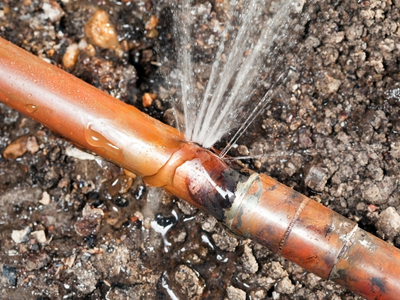
Whole‑house symptoms often involve valve positions. After a repair or emergency shutoff, the main water shutoff valve or the water meter valve might remain partially closed. Even a small misalignment at one of these controls can limit the volume of water entering the home. A qualified plumber can verify that each critical valve is fully open and operating correctly.

Water Leaks

leak A hidden water leak in a supply line can quietly steal pressure from every fixture. Pressurized water escaping into walls, ceilings, or the yard reduces the available pressure for taps, showers, and appliances, resulting in persistent low water pressure throughout the building. Signs of a potential water leak include unexplained damp spots, musty odours, hissing sounds in walls, or a sudden jump in the water bill.

Professional testing helps pinpoint the exact location of the leak without unnecessary demolition. Once damaged piping is repaired or replaced, restored line integrity often restores water pressure to normal levels and prevents further structural damage.

Clogs and Buildup

Another common cause of low water pressure is a clog or a gradual buildup in the pipes. Older metal lines can corrode from the inside, flaking rust that narrows the pathway. Hard water may leave limescale and mineral buildup along pipe walls, at elbows, or around shutoff valves, further squeezing the opening available for water to pass.

As these deposits grow, friction increases and less water reaches fixtures, even though supply from the utility remains the same. Depending on severity, plumbers may recommend targeted pipe cleaning, replacing isolated sections, or repiping entire runs to restore reliable flow and protect fixtures from recurring blockage.

About Maxwell-White Plumbing

Maxwell-White Plumbing is a trusted plumbing and restoration company providing prompt and professional plumbing solutions to the communities of West Salem, WI, and the nearby areas. With a customer-focused approach, 24-hour service, and straightforward pricing, customer satisfaction is guaranteed. Call them today to schedule water leak detection in West Salem, WI.

Staying Safe At Home By Noticing Signs of a Gas Leak

Stay Safe From Dangerous Gas Leaks by Identifying Them Quickly

Natural gas is a convenient fuel for heating, cooking, and hot water, but a damaged gas line requiring gas line repairs can create a serious safety hazard. The sooner a leak is noticed, the faster professionals can step in to correct the problem. This guide outlines the most important signs of a gas leak, including unusual smells or sounds, unexplained changes in gas bills, and physical gas leak symptoms affecting people and pets.

Strange Smells or Sounds

bad smell Many gas leaks first announce themselves through the senses. Utilities add an odorant to natural gas so that problems are easier to detect. The smell is often described as similar to sulfur or rotten eggs. If that scent lingers near a gas appliance, meter, or exposed gas line, it can be a key warning sign.

Unusual sounds are another clue. Gas under pressure escaping through even a tiny opening can create:

  • A soft hissing noise near pipes, valves, or appliance connections
  • A whistling sound around flexible connectors or damaged fittings

These noises may be faint or intermittent, so they are often easiest to notice in a quiet room. Any combination of sulfur‑like odor and hissing around natural gas equipment should be treated with caution, and the area should be left while emergency assistance is contacted. A licensed technician can then inspect the system and complete any required gas leak repair.

Higher Gas Bill

bills Not every gas leak produces a strong smell or obvious sound, especially if it occurs outdoors or in a partially ventilated space. In those cases, the monthly gas bill may provide the first hint that something is wrong. If the statement suddenly climbs despite similar patterns of heating and appliance use, additional gas may be leaving the system through a leak.

Tracking bills from one month to the next can make these patterns easier to spot. Comparing current use and charges to the same season in prior years helps show whether colder weather alone explains the increase. When costs rise sharply or stay elevated without a clear reason, a professional inspection of the natural gas system is a wise step. Early gas line repair not only improves safety but can also bring utility expenses back in line.

Physical Symptoms

A gas leak can affect the health of people and animals long before damage to equipment becomes visible. As leaking gas displaces oxygen in indoor air, household members may begin to experience gas leak symptoms even before an odor is obvious. In people, these may include:

  • Eye, nose, or throat irritation
  • Headaches, nausea, or a general feeling of illness
  • Unusual fatigue, confusion, or dizziness
  • Shortness of breath or other breathing difficulties

Pets are often sensitive to poor air quality as well. Warning signs in animals can include:

  • Loss of appetite or sudden refusal to eat
  • Vomiting or unusual drooling
  • Weakness, lethargy, or difficulty walking
  • Labored or noisy breathing

If several people or pets in the same home exhibit unexplained symptoms at the same time, particularly near natural gas appliances, a leak should be suspected and the building should be vacated until first responders confirm that it is safe to return.

About Maxwell-White Plumbing

Maxwell-White Plumbing offers top-rated plumbing services in West Salem and the surrounding areas, provided by trusted technicians. With prompt and professional service and flat-rate pricing, customer satisfaction is guaranteed. Call them today for gas line repairs in West Salem, WI.

Winter-Proofing Household Plumbing Before the Deep Freeze

How to Prevent Frozen Pipes This Winter

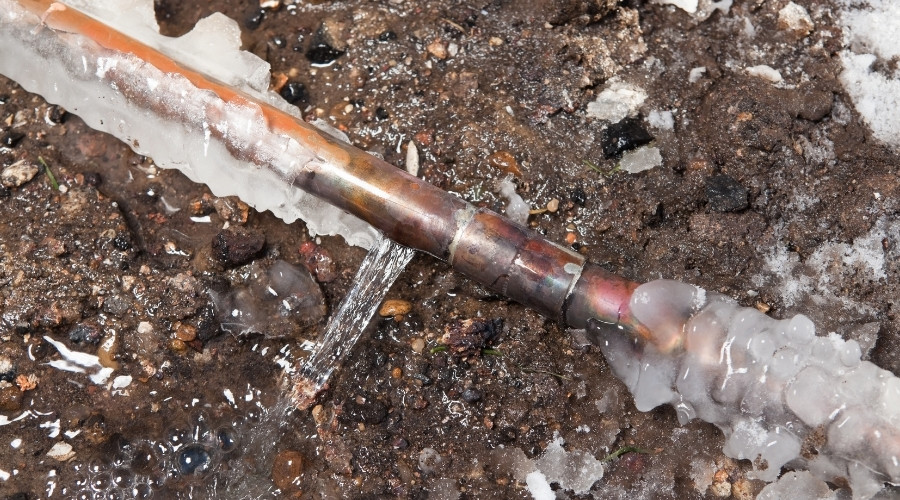
When temperatures plunge, plumbing systems face added stress that can lead to frozen pipes, leaks, and costly water damage. A single pipe burst can create flooding, ruin flooring and drywall, and interrupt normal routines for days. With a bit of preparation before the coldest weather arrives, homeowners can significantly lower the risk of freezing pipes and related disasters. This post explains practical steps to protect plumbing during winter, including how to insulate pipes in vulnerable areas, use indoor heat wisely, and properly winterize each outdoor faucet to prevent ice from forming in the lines.

Insulate the Pipes

pipes One of the most effective defenses against frozen pipes is proper pipe insulation. Pipes that run through unconditioned or poorly insulated areas are particularly vulnerable, such as those in attics, crawl spaces, unfinished basements, and garages. In these spaces, temperatures can drop quickly, allowing water inside the pipes to freeze and expand, which increases the likelihood of a pipe burst.

Adding pipe insulation to exposed lines helps keep the water temperature more stable and shields the pipes from frigid air. Foam pipe insulation sleeves are commonly used because they are affordable, easy to install, and available in different diameters to fit most pipe sizes. Focusing on sections near exterior walls, drafty windows, overhead doors, and vents can make a significant difference.

Taking the time to insulate pipes before a cold snap hits offers long-term protection. Even a modest investment in pipe insulation is far less expensive than repairs and cleanup after a burst pipe event. Combined with other winterization measures, insulated pipes form the first line of defense against freezing pipes and the damage they cause.

Keep the Heat on and Open Cabinets

sinkIndoor heating also plays a crucial role in preventing frozen pipes. Maintaining a consistent temperature throughout the home during cold weather helps keep interior plumbing safely above freezing. Instead of allowing the thermostat to swing dramatically between day and night, many experts recommend a steady, moderate setting whenever outdoor temperatures drop near or below freezing. This practice reduces stress on the system and helps prevent cold pockets from forming in out-of-the-way areas.

Cabinets and doors can create hidden cold zones around plumbing if left closed. Under-sink cabinets in kitchens and bathrooms, for example, often conceal supply lines located on exterior walls. When outside temperatures fall, these small, enclosed spaces can become much colder than the surrounding rooms. Leaving cabinet doors open during extended cold spells allows warm air from the living spaces to circulate around the pipes, helping reduce the risk of frozen pipes and potential pipe burst damage.

In homes that may be unoccupied for short periods during winter travel, keeping the heat on at a lower but safe setting can also help protect the plumbing. Combining consistent indoor heating with strategic efforts to open cabinets and interior doors ensures that warm air reaches vulnerable plumbing in every corner of the house.

Winterize Outdoor Faucets

Outdoor plumbing is often the first place freezing occurs, making it essential to winterize each outdoor faucet before cold weather sets in. Water left in exterior lines and hoses can freeze, expand, and cause damage that may extend into the interior of the home. Properly preparing these fixtures can greatly reduce the risk of freezing pipes in exterior walls and connected plumbing.

The process begins with disconnecting hoses from every outdoor faucet. Any water trapped inside a hose can freeze and create pressure on both the hose and the faucet. After removing the hose, it should be drained completely and stored in a sheltered area for the winter. The next step is to locate and shut off the interior valve that supplies water to the outdoor faucet, if one is available.

Once the water supply is turned off, the outdoor faucet should be opened to allow any remaining water in the pipe to drain out. This step relieves pressure and helps ensure that minimal water is left to freeze inside the line. Finally, covering the outdoor faucet with an insulated cover or similar protective device adds an extra barrier against wind and cold air. This simple combination of draining, shutting off, and insulating can dramatically lower the risk of freeze-related damage and keep the plumbing system safer all winter long.

About Maxwell-White Plumbing

Maxwell-White Plumbing is a trusted plumbing company prioritizing customer satisfaction in West Salem and beyond. They offer fast and thorough solutions and quality workmanship for all your plumbing needs. Call them today to schedule burst pipe repair in West Salem, WI.

Distribution Links +

A Simple Guide to Avoiding Clogged Toilets

Ways to Help Prevent the Toilet From Clogging

Few problems spark instant panic like a clogged toilet, but most blockages are preventable with consistent habits and a little awareness. This overview provides practical ways to reduce the risk of a toilet clog, explains smarter toilet paper usage, and highlights steps to protect the sewer line, ensuring fixtures continue to flush freely.

Be Careful About What Gets Flushed

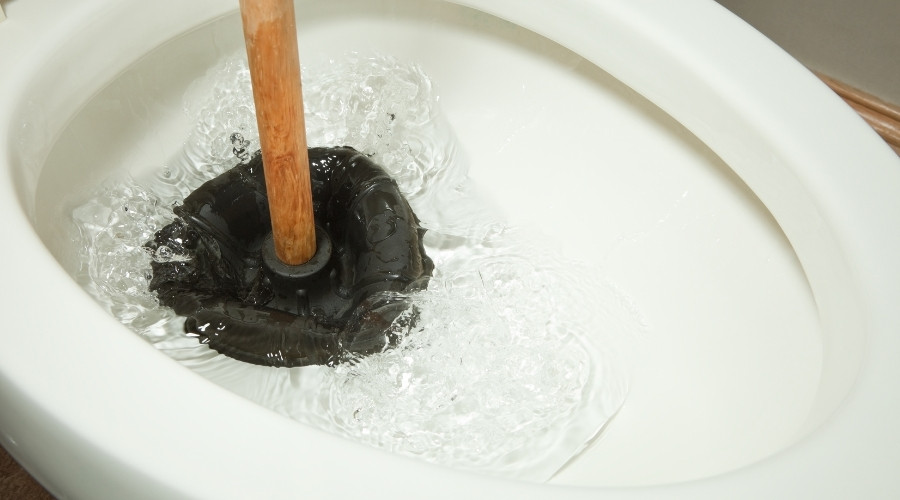
toilet A toilet is not a trash container, and treating it like one is the fastest path to a clogged toilet. The safest guideline is simple: only human waste and toilet paper should be placed in the bowl. Everything else belongs in a bin, even if it seems convenient to flush in the moment.
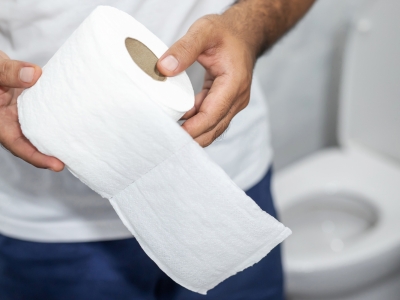
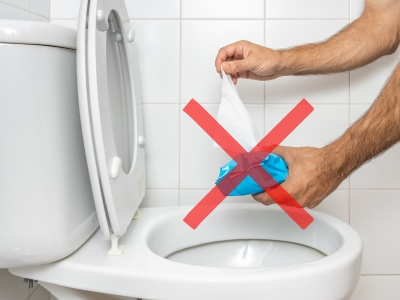
Items that commonly trigger a toilet clog include paper towels, facial tissues, napkins, and cleaning or cosmetic wipes. These materials are designed to stay strong when wet and do not break down in water the way toilet paper does, so they tend to snag inside bends or junctions and form stubborn blockages. Cotton swabs, dental floss, and feminine hygiene products present similar risks because they do not dissolve and can tangle within sewer pipes.

Flushable” labels can be misleading, as many such products take far too long to disintegrate and can contribute to a clogged sewer line downstream. Keeping a small wastebasket beside the commode helps ensure non-flushables stay out of the plumbing system. A careful flushing routine dramatically reduces calls for emergency drain cleaning and prevents clogs from growing into whole‑house drainage issues.

Use Less Toilet Paper

toilet peper Excessive toilet paper is a frequent cause of a toilet clog. Large wads aggregate quickly and may exceed what the trap and piping can pass in a single flush, even with brands marked as septic‑safe. Small habit changes protect the plumbing while maintaining cleanliness.

A simple technique is “fold, don’t wad,” which uses fewer sheets and reduces bulk. Another tactic is a mid‑flush during heavier use: flushing once before finishing prevents an oversized mass from entering the trap simultaneously. As a general guideline, modest amounts of toilet paper per flush are far less likely to cause a blockage than a single large bundle. When larger amounts are necessary, splitting use into two flushes helps protect the line.

These small adjustments, repeated consistently, are often all it takes to avoid a clogged toilet. Combined with periodic drain cleaning as part of routine maintenance, mindful toilet paper use helps the system operate smoothly and lowers the likelihood of costly backups.

Prevent Sewer Line Clogs

A toilet may appear to flush normally most days, but a developing sewer line clog can turn into a household‑wide problem without warning. When the main sewer line becomes obstructed, wastewater can back up into multiple fixtures at once, leaving plungers and quick fixes ineffective. Preventing issues in the larger sewer system is essential to keeping toilets and drains clear.

Common causes of a clogged sewer line include tree roots infiltrating small cracks, accumulated grease that solidifies and traps debris, and aging sewer pipes—such as clay or cast iron—that shift, collapse, or corrode over time. Preventive steps make a difference: avoid pouring oils and fats down sinks, limit solids and non‑dissolving products entering the system, and consider periodic camera inspections where older piping or large trees are present. Proactive drain cleaning can also remove early buildup before it escalates.

When symptoms point to an obstruction beyond a single fixture—multiple slow drains, recurring backups, gurgling at the lowest drain during other fixture use—professional assessment is recommended. Technicians may clear the line with a drain snake for compacted debris or deploy hydro jetting to scour heavier accumulations from interior pipe walls. If inspection shows damaged or misaligned segments, targeted sewer line repair may be necessary to prevent repeat problems. Addressing the main line promptly protects interior fixtures and prevents localized clogs from reappearing.

About Maxwell-White Plumbing

Maxwell-White Plumbing is a trusted plumbing company offering quality workmanship from friendly and knowledgeable technicians in West Salem, WI. They provide fast and thorough solutions and the latest technology, so call them today for clogged toilet repair in West Salem, WI.

Distribution Links +

Signs That It’s Time to Replace the Water Heater

When Is a New Water Heater Needed?

Is it time for a water heater replacement? That dreaded moment when a hot shower turns unexpectedly cold is a major clue. Ignoring a failing tank can lead to rusty water, unusual noises, or even a damaging water heater leak. This guide highlights critical warning signs so a small issue doesn’t grow into a costly disaster. Explore the clues a system may be giving and determine the right moment to plan water heater installation.

Temperature Issues

water Inconsistent water temperatures often signal the early stages of water heater failure, making fluctuations one of the most reliable indicators that replacement may be necessary. A steady, predictable water heating experience should be the norm, not the exception.

Running out of hot water significantly faster than usual often indicates deteriorating heating elements or a struggling gas burner. Diminished heating capacity can also stem from sediment buildup or worn components inside the tank that interfere with efficient water heating.

A complete loss of hot water is the most obvious temperature-related warning sign. While simple thermostat settings or pilot light issues can occasionally be the cause, recurring outages typically point to internal component failure. When heat delivery remains unreliable despite service, a water heater replacement is commonly the most practical solution.

Leaks

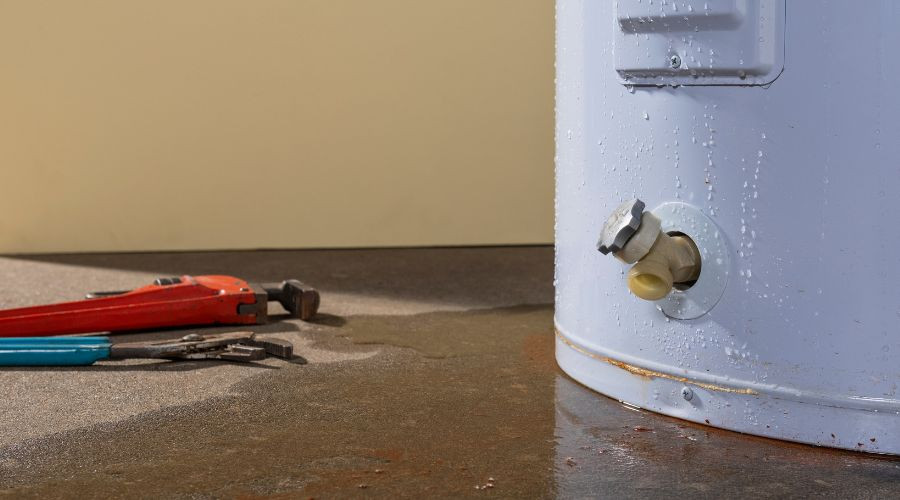
Pooling water at the base of the tank suggests an urgent need to evaluate for a leaking water heater, as internal wear or water heater corrosion may have compromised structural integrity. When a water heater leak is visible, the protective lining may have deteriorated to the point where moisture escapes through cracks or thin areas.

What begins as minor seepage can escalate quickly, causing water damage to nearby floors, walls, and stored items. Addressing the issue promptly helps limit repairs and prevents secondary problems such as mold growth.

Rust-colored stains near the unit often indicate advanced corrosion and a failing tank. Unlike leaks at fittings or valves that can sometimes be repaired, a leaking water heater originating from the tank typically warrants water heater replacement and professional water heater installation to restore reliability and safety.

Age and Corrosion

dirty water Water heater replacement becomes more likely as a unit ages, since wear affects every part of a traditional storage tank over time. Older systems often experience efficiency loss, slower recovery, and more frequent service needs.

Visible signs of water heater corrosion demand immediate attention. Discolored or metallic-tasting water can indicate internal deterioration that will not reverse on its own. Corrosion weakens the tank and raises the risk of a sudden water heater leak, which can create extensive water damage if failure occurs unexpectedly.

The combination of age and corrosion increases the likelihood of catastrophic failure. When discoloration coincides with an older unit, planning for timely water heater installation helps prevent flooding and restores dependable water heating for the household.

About Maxwell-White Plumbing

Maxwell-White Plumbing is a leading plumbing company that prioritizes customer satisfaction in West Salem and the surrounding areas. They offer straightforward pricing on quality workmanship provided by their trustworthy technicians. Call them today for water heater repair and installation in West Salem, WI.

Distribution Links +

Hands adjusting digital control panel on a water filtration system, showcasing plumbing components and connections.

When to Get Water Filtration Systems

Why Install a Water Filtration System

A water filtration system is essential for households focused on water safety. Concerns about contaminants in drinking water can be addressed with advanced filtration technologies and reliable purifiers that provide peace of mind. The guidance below outlines simple steps for securing cleaner water and improving overall wellness, with expert insights and practical tips revealing how a properly selected system delivers truly safe water, every day.

Benefits of Whole Home Water Filtration Systems

Woman holding a clear glass of water, symbolizing the benefits of whole home water filtration systems for cleaner and safer drinking water.A whole home water filter treats every drop entering a residence, supplying cleaner, safer water to all faucets, showers, and appliances. These comprehensive solutions commonly reduce chlorine, sediment, heavy metals, and other contaminants at the point of entry. With a properly configured water filtration system, the entire household benefits from improved taste, reduced odors, and more consistent quality throughout the plumbing network.

Beyond health and taste improvements, whole-house systems help protect infrastructure. Water heaters, dishwashers, and washing machines often last longer when sediment and scale are controlled. Many households also reduce bottled water purchases, creating measurable cost savings over time. Some configurations combine a whole-house water filter with conditioning to address both purity and hardness in one unit, helping fixtures maintain their finish and leaving skin and hair feeling more comfortable after showers. For reliable performance and code-compliant setup, professional water filtration system installation is recommended.

Signs a Home Needs a Water Filtration System

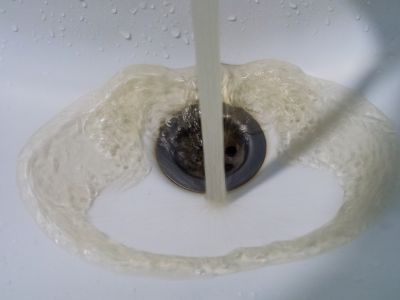
Flowing water into a sink drain, illustrating potential water quality issues and the need for a water filtration system to address contaminants.Tap water frequently signals when a water filtration system is needed. Metallic or chlorine-like taste, sulfur or musty odors, and changes in color—such as cloudy, yellow, or rust-tinted water—suggest the presence of sediment, corrosion byproducts, or organic materials. Staining on dishware or clothing often points to mineral content (iron or manganese), and mineral buildup around faucets can indicate hard water conditions.

In addition to visible or taste-based clues, water quality concerns include potential exposure to bacteria, heavy metals, or industrial and agricultural byproducts that may not produce obvious sensory changes. Residences served by private wells, older plumbing, or regions with known water issues benefit from laboratory testing to identify specific contaminants. Once results are in, a targeted solution—such as a dedicated water filter for chlorine reduction or reverse osmosis for dissolved solids—can be selected. When whole-structure coverage is desired, a whole-home water filter paired with point-of-use filtration often provides comprehensive protection.

How to Choose a Whole House Water Filter

Selecting the right whole-house water filter begins with understanding local water chemistry and the specific contamination profile. A professional lab analysis or high-quality test kit can identify chlorine, sediment, heavy metals, bacteria, and total dissolved solids. This information guides technology choices: carbon media for taste and odor control, sediment filtration for particles and rust, UV for microbial concerns, and reverse osmosis for broad-spectrum reduction of dissolved contaminants at drinking-water taps.

Hard water conditions also influence system design. Elevated calcium and magnesium levels may require conditioning or softening to protect filters and extend membrane life in reverse osmosis systems. Multi‑stage setups often combine a water filter for sediment, activated carbon for chemicals, and additional media tailored to local needs.

Key considerations:

Flow rate and pressure requirements to ensure consistent performance throughout the home
Maintenance intervals and filter replacement costs to sustain effectiveness
Certification (e.g., NSF/ANSI) matched to identified contaminants
Professional water filter installation or full water filtration system installation for correct sizing, plumbing integration, and service access
In many cases, the best approach pairs a whole-house water filter for entire-home coverage with a reverse osmosis drinking station at the kitchen sink. This combination delivers broad protection plus highly polished water for cooking and beverages, balancing performance, cost, and convenience.

About Maxwell-White Plumbing

Maxwell-White Plumbing is a trusted family-owned plumbing company proudly serving the communities of West Salem and beyond. They provide straightforward pricing on fast and thorough solutions provided by technicians you can trust. Call them today for reliable water filtration services in West Salem, WI. 

Distribution Links +

Hand turning a valve on a gas line, emphasizing plumbing safety and gas leak prevention.

Stay Safe From Gas Leaks by Identifying Them Quickly

How to Identify and Respond to Dangerous Gas Leaks

Concerns over natural gas exposure are valid, as even minor gas leaks can escalate into major emergencies, so gas leak detection services are invaluable. Early action, awareness of warning signs, and proper intervention methods can prevent severe outcomes. This guide provides detection tips and proven response strategies designed to reduce hazards and ensure safety. 

Dangers of a Gas Leak

Natural gas poses hidden dangers that extend far beyond the common rotten egg smell. Carbon monoxide exposure from faulty gas appliances sends between 50,000 and 10,000 individuals to emergency rooms annually, according to the CDC. When a gas leak occurs, toxic fumes can accumulate indoors rapidly, creating immediate health threats.

Initial gas leak symptoms may include dizziness, fatigue, and severe headaches, which worsen with continued exposure. Children and older people are often the first to exhibit signs, as they tend to have faster oxygen displacement in confined spaces. In severe cases, prolonged exposure may result in unconsciousness, permanent brain damage, or even death.

Beyond health concerns, gas leak incidents pose significant risks of fire and explosion. The accumulation of natural gas transforms an enclosed space into a volatile environment. A single spark from a light switch, pilot light, or even static electricity can ignite the gas, causing explosions that can destroy homes within seconds. The National Fire Protection Association estimates that gas-related accidents result in approximately $402 million in property damage each year. Even minor leaks near electrical outlets or ignition sources can produce disastrous consequences.

Routine inspection of appliances and gas lines helps mitigate these risks. Taking proactive steps reduces the likelihood of undetected leaks, protecting lives and property from catastrophic events.

Signs of a Gas Leak

Wilting houseplant with yellowing leaves, indicating potential gas leak symptoms, hand reaching towards the plant.Recognizing the signs of a gas leak is critical to preventing injury or property loss. The most common and immediate warning is the strong sulfur-like odor introduced by mercaptan, a chemical added to otherwise odorless natural gas. This distinctive smell serves as an early indicator of danger.

Other key gas leak symptoms include hissing or whistling sounds near gas lines, appliances, or outdoor meters, all signals that pressurized gas is escaping even when equipment is inactive. Outdoors, dead or discolored vegetation along the path of a gas line may indicate an underground leak that requires urgent attention.

Inside the home, changes in plant health can provide additional warning signs. Wilting or dying houseplants, especially when the decline is rapid and unexplained, may indicate a gas leak. Gas exposure interferes with plant metabolism, causing yellowing leaves and premature leaf drop. 

Being aware of these indicators supports early intervention and reduces the chances of serious damage or health issues.

Responding to a Gas Leak

Family evacuating a home in response to a gas leak, emphasizing safety and urgency in emergency situations.In the event of a suspected gas leak, immediate evacuation is essential. Every moment counts, as natural gas leaks escalate quickly and can lead to combustion or poisoning. All occupants should exit the property immediately without attempting to investigate the source.

Evacuation procedures must avoid triggering the ignition. Light switches, electronic devices, matches, and flashlights should not be used, as even a minor spark may ignite concentrated natural gas. Once a safe distance has been reached, the utility provider should be contacted to request emergency shutoff service.

After the gas line has been secured, certified professionals must conduct an inspection and perform any necessary gas line repairs and gas leak repairs. Reentry into the home should only occur once technicians confirm that the area is safe. 

Following proper protocols during a gas leak situation can prevent property loss and save lives. Because natural gas is lighter than air and tends to rise, upper floors are often particularly hazardous during leak events. Awareness, fast response, and reliance on qualified gas line repair specialists are crucial for safety and prevention.

About Maxwell-White Plumbing

Maxwell-White Plumbing is a prompt and professional plumbing company serving the communities of West Salem and the surrounding areas of La Crosse County. With straightforward pricing and trusted technicians using the latest technology, customer satisfaction is guaranteed. Contact them today for gas leak detection in West Salem, WI.

Distribution Links +

Water flowing into a drain, illustrating the importance of maintaining clear drains and preventing clogs in plumbing systems.

A Guide to Professional Drain Cleaning and Common Signs It’s Needed

Drain Cleaning and Signs It’s Needed Explained

Keeping drains and sewer lines clear is crucial for maintaining a healthy and functional plumbing system. Over time, everyday use allows debris and materials to build up in pipes, increasing the risk of a clogged sewer line or stubborn drain clogs. Professional drain cleaning is the most effective solution for clearing pipe blockages and preventing expensive or hazardous plumbing emergencies.

Signs Drain Cleaning Is Needed

Recognizing early warning signs is crucial to prevent a minor clog from escalating into a sewer line leak or a complete backup. The following indicators suggest it’s time to schedule professional drain cleaning:

  • Slow Drains: When water takes longer to empty from sinks, tubs, or showers, it’s a clear sign that debris has accumulated in the pipe. Persistent slow drains usually mean the clog is deeper than a simple DIY fix can resolve.
  • Bad Smells From the Drains: Unpleasant odors from drains often indicate rotting organic material, food scraps, or waste trapped in the pipes. Foul smells can point to a clogged sewer line or buildup in kitchen or bathroom drains that require attention.
  • Gurgling Sounds: Gurgling noises when water drains or when toilets are flushed signal trapped air caused by partial blockages. This is a classic warning that professional drain cleaning may be needed to clear a developing clog.
  • Backups in Toilets or Drains: Water or sewage backing up into toilets, sinks, or tubs is a severe sign of a sewer line clog or major blockage. Immediate professional intervention is required to avoid water damage and health risks.
  • Frequent Clogs: Drains that become clogged again and again, despite home remedies or store-bought cleaners, need expert attention. Recurring clogs are usually a sign of deep-seated issues within the drain or sewer line.

Prompt action at the first appearance of these symptoms can minimize damage, prevent backups, and keep plumbing running smoothly.

Common Causes of Drain and Sewer Line Clogs

Hands washing potato peels in a kitchen sink, illustrating common causes of drain clogs from food scraps and cooking oils.Knowing what leads to clogs can help homeowners stay proactive in maintenance and avoid emergencies that require professional drain cleaning:

  • Grease, Cooking Oils, and Food Scraps: When these substances go down kitchen drains, they cool and solidify, sticking to the inside of pipes. Over time, this residue builds up and can create stubborn clogs that only professional equipment can clear.
  • Flushing the Wrong Things Down Toilets: Wipes (even those labeled “flushable”), paper towels, feminine hygiene products, and other non-flushable items don’t break down easily and often cause a clogged sewer line or severe toilet backups.
  • Tree Roots Infiltrating Sewer Pipes: Older underground sewer lines are especially susceptible to tree roots, which seek moisture and can break through tiny cracks, creating a major sewer line clog that blocks all drains.
  • Hair and Soap Scum: Bathroom sinks, tubs, and showers frequently collect hair and soap residue. Over time, these combine to form dense blockages that slow drains and trap additional debris.
  • Mineral Buildup or Aging Pipes: In some cases, hard water minerals calcify inside pipes or antiquated drain lines collapse, reducing water flow and increasing the chances of blockage.

By understanding what causes blockages, homeowners can avoid behaviors that lead to clogs and recognize when to call for professional drain cleaning.

How Do Professionals Perform Drain Cleaning?

Professional plumber using a drain snake to clear a clogged sink, demonstrating effective drain cleaning techniques.Professional plumbers use specialized tools and proven techniques to tackle even the toughest clogs, ensuring safe and thorough drain cleaning. Two primary methods include using a plumber’s snake (or drain snake/auger) and hydro jetting (hydro jet drain cleaning):

Drain Snake / Plumber’s Snake / Auger:

  • What It Is: A drain snake or plumber’s snake is a long, flexible metal cable equipped with a coiled end. Manual augers are rotated by hand, while powered models use a motor for extra force.
  • How It Works: The snake is fed into the drain until it reaches the clog. By turning the crank or activating the motor, the auger’s tip breaks up, grabs onto, or pushes through the obstruction, allowing water to flow freely again.
  • Best For: Removing hair, food clogs, small roots, or isolated obstructions in household drains or main sewer lines. Plumbers choose the right size and type based on the location and severity of the clog.

Hydro Jetting / Hydro Jet Drain Cleaning:

  • What It Is: Hydro jetting uses a specialized high-pressure hose and nozzle to blast water through the pipes at pressures up to 4,000 PSI, scouring the interior of pipes and removing any buildup.
  • How It Works: The plumber inserts the sewer line and uses powerful water jets to flush grease, waste, mineral buildup, soap scum, and even invasive roots entirely from the pipe.
  • Best For: Stubborn or recurring clogs, greasy pipes, heavy buildup, and clogged sewer lines. Hydro jetting is a preferred non-invasive choice for cleaning larger lines or removing tough obstructions that a drain snake cannot address.
  • Longer-Lasting Results: Unlike a drain snake, which focuses on the blockage itself, professional hydro jetting cleans the buildup from the pipe walls and unclogs the line, providing a long-lasting solution that helps reduce the risk of future clogs. 

Professional drain cleaning combines expertise and industry-leading equipment, giving homeowners confidence that stubborn or recurring clogs will be completely resolved.

About Maxwell-White Plumbing

In business since 1994, Maxwell-White Plumbing is the local company people can trust for plumbing repairs and replacements. They offer straightforward pricing, quality workmanship, and 24-hour service. Call now for drain cleaning services in West Salem, WI.

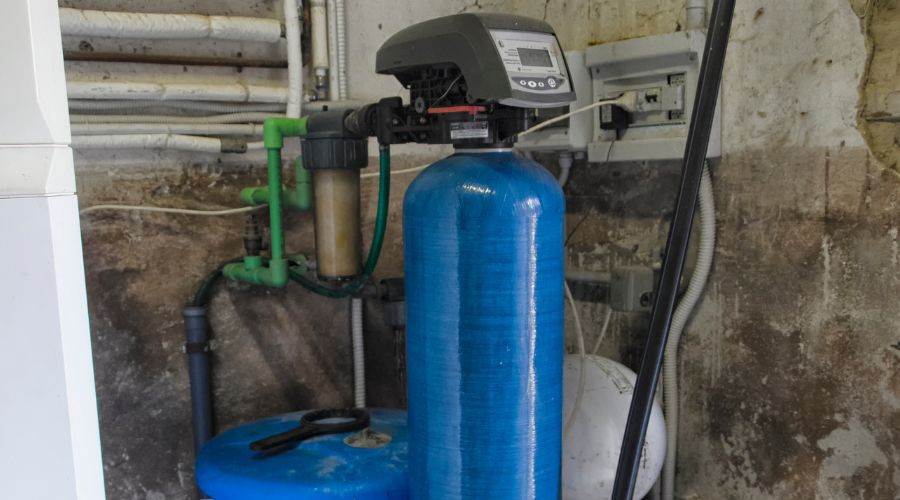
Water softener system with blue tank and control unit, installed in a basement setting, supporting plumbing and appliance protection.

Advantages of a Whole Home Water Softener Installation

Why Soften Hard Water?

Installing a water softener can end a household’s hard water woes and provide several benefits, including for the plumbing and appliances that use water. This blog post will discuss how a water softener installation can transform a home’s water quality and the advantages softened water can provide for a household and its residents.

Protection for the Plumbing and Water Using Appliances

Hard water can wreak havoc on a home’s plumbing over time due to the high concentration of minerals in hard water. However, installing a water softener protects the plumbing and pipes by preventing mineral buildup that can restrict water flow and corrode pipes. The minerals in hard water gradually accumulate inside pipes, creating narrower passages that reduce water pressure throughout a home and can lead to clogs and leaks. So, installing a water softening system can reduce the risk of these plumbing problems, save on repair costs, and help maintain good water pressure.

Household appliances that use water, such as dishwashers, washing machines, and water heaters, can also benefit from a whole-house water softener installation. These appliances can operate more efficiently with softened water because the sediment and mineral buildup from hard water can reduce their efficiency. The scale buildup in appliances forces them to work harder and consume more energy, impacting utility bills. The lifespan of these appliances can also be extended when they operate with softened water. This means a homeowner’s investment in these costly appliances is protected, and less frequent replacements will be needed, saving homeowners money on replacement costs by avoiding early replacements. 

More Effective Cleaning

Person loading colorful towels into a washing machine, illustrating improved laundry results with softened water for better cleaning and vibrant colors.Installing a water softener can also help improve a household’s home cleaning routine by eliminating hard water minerals that cause stubborn residue. When washing glassware, silverware, and dishes in hard water, they often come out of the dishwasher with spots and residue. However, with a water softening system, they will appear cleaner without those frustrating spots and cloudy film after being washed. 

The cleaning benefits of soft water extend beyond the kitchen. Softened water can also dramatically improve laundry results by allowing detergents to work better without being neutralized by hard water minerals. Clothes and laundry can feel noticeably softer, and colors stay vibrant longer with a water softener installation.

Another cleaning advantage of softened water is reducing soap scum and limescale from the minerals in hard water. Homeowners with softened water can spend less time and effort scrubbing bathroom fixtures and surfaces to remove soap scum and limescale and they can save money on cleaning products because cleaning supplies last longer when they’re not fighting against stubborn mineral deposits.

Healthier Skin and Hair

Woman with frizzy hair holding her hair up, illustrating the negative effects of hard water on hair health.Installing a water softener can also improve skin and hair health by removing harsh minerals that strip away natural moisture. Hard water contains minerals that combine with soaps and shampoos to form a stubborn residue, leaving the scalp and skin dry and irritated. This residue can also clog pores and exacerbate conditions like eczema and psoriasis, and make hair more brittle and dull.

Soft water, on the other hand, helps maintain the skin’s natural protective barrier and allows moisturizers and skin products to absorb more effectively, allowing skin to stay more hydrated. A water softener system also minimizes the harsh effects of minerals on hair, leading to shinier, healthier hair that is less prone to breakage. The improved hydration and lathering achieved with softened water also means people can use less product while achieving better results, which can save money on expensive skin and hair products.

About Maxwell-White Plumbing

Maxwell-White Plumbing is a family-owned company that has been serving the West Salem community since 1994. They provide straightforward pricing, the latest technology, and fast and thorough solutions. Call them for water softener installation in West Salem, WI.

Distribution Links +

Page 1 of 5
1 2 3 5