 Plumbing
 Remodels
 Sewer & Drain
 Service Areas
 TV
TV Careers
 Financing
 About Us
 Solar Powered
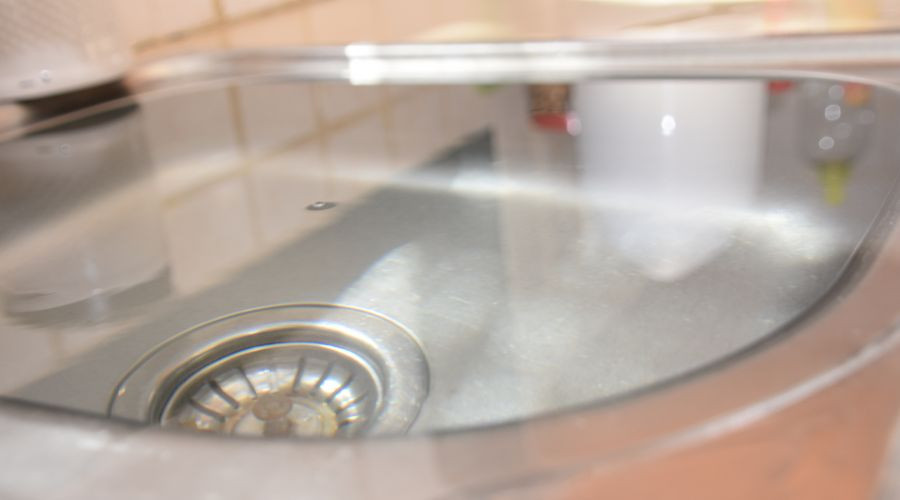
What to Do About a Backed-up Sewer Line
A sewer line clog or other issue that leads to a sewer line backup is one of the most unpleasant and disruptive experiences a homeowner might face. Usually, the damage extends well beyond the backup and causes a mess and water damage to the home. Homeowners should take action right away by calling a professional to help resolve the cause and get things cleaned up.
Common Causes of Sewer Line Backups
 A homeowner could be dealing with a backed-up sewer line for several different reasons. For example, a sewer line clog that is not handled can eventually become a backed-up sewer line. Knowing the common causes of a sewer line clog can help lead to being proactive and avoiding bigger issues.
These are some of the most common culprits:
- Tree roots infiltrating the line.
- Crushed or broken pipes from aging infrastructure and shifting soil.
- Sewer line blockage or clog from grease, food, non-flushable items, etc.
- Wear and tear from time and aging.
Addressing a Sewer Line Backup
When a backed-up sewer line occurs, various methods might be used to resolve the issue. What it takes to fix the backup might depend on the cause of the backup. These are a few of the most common methods that professional plumbers use:
- Hydro Jetting: Hydro jetting forces high-pressure water through the line, cleaning it and clearing any blockages or clogs.
- Sewer Camera Inspection: This technology is used to inspect the pipe from the inside so the cause can be identified and help plumbers determine the best plan of action. A sewer video inspection is non-invasive and gives real-time data.
- Trenchless Sewer Repair: Trenchless sewer line repair methods can be used to repair or replace cracked and broken pipes to restore them to full functionality. This can be done without excavation and extensive digging. However, if trenchless methods cannot be used, traditional sewer line repair or replacement can be done.
It is important to remember every situation is unique. Call a professional to determine the best approach.
Tips to Prevent a Sewer Line Backup
 While homeowners may not be able to prevent every sewer line clog or backup, they can certainly reduce the possibility with some awareness and proactive care.
Be familiar with the signs of a sewer line clog, such as slow draining and bad smells, and take early action by calling a plumber for drain cleaning when one is suspected. This will help prevent the clog from leading to a backup.
Here are some helpful tips to prevent a backed-up sewer line:
- Avoid grease, oil, coffee grounds, food, or other items and debris going down the drain
- Don’t flush anything except toilet paper and human waste down toilets (even flushable wipes shouldn’t be flushed)
- Avoid planting trees with large root systems near underground plumbing and sewer lines
- Call a professional early when slow drainage, gurgling, or other signs of a clogged sewer line occur
- Call a plumber to perform regular plumbing maintenance and inspections
About Maxwell-White Plumbing
Maxwell-White Plumbing has been providing plumbing services for 30 years. They are known for trusted technicians and straightforward pricing you can depend on. Call them today for sewer line repair and replacement services in West Salem, WI.
)
Distribution Links +
- https://smb.tryondailybulletin.com
- https://smb.winchestersun.com
- https://smb.farmvilleherald.com
- https://smb.salisburypost.com
- https://smb.shelbycountyreporter.com
- https://smb.smithfieldtimes.com
- https://smb.suffolknewsherald.com
- https://smb.thewashingtondailynews.com
- https://smb.thewetumpkaherald.com
- https://smb.cordeledispatch.com
- https://smb.lagrangenews.com
- https://smb.middlesboronews.com
- https://smb.roanoke-chowannewsherald.com
- https://smb.tallasseetribune.com
- https://smb.thepostsearchlight.com
- https://smb.valleytimes-news.com
- https://smb.lowndessignal.com
- https://pr.washingtoncitypaper.com
- https://smb.theleesvilleleader.com
- https://smb.prentissheadlight.com
- https://smb.beauregardnews.com
- https://pr.hattiesburg.com
- https://pr.bradfordvillebugle.com
- https://pr.boreal.org
- https://pr.stylemg.com
- https://pr.walnutcreekmagazine.com
- https://pr.thembnews.com
- https://pr.timesofsandiego.com
- https://pr.chestercounty.com
- https://pr.wncbusiness.com
- https://pr.ashlandtownnews.com

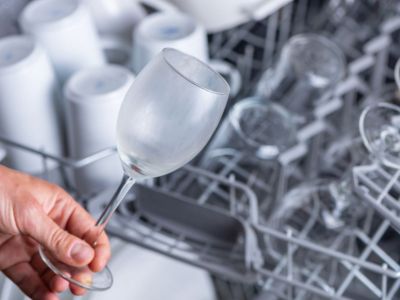 The thing about hard water and cleaning is that the minerals react with soap in unpleasant ways. Calcium in hard water is responsible for the soap scum on sinks and tubs. A few of the everyday inconveniences that come with hard water include:
 Hard water contains high levels of minerals that can also leave residue and deposits on hair and skin. This can strip away natural oils and moisture, leading to dryness. Hair may become frizzy and brittle, while the skin may become flaky and itchy. In contrast, soft water eliminates these harsh minerals, making hair and skin feel softer and more hydrated.
 )